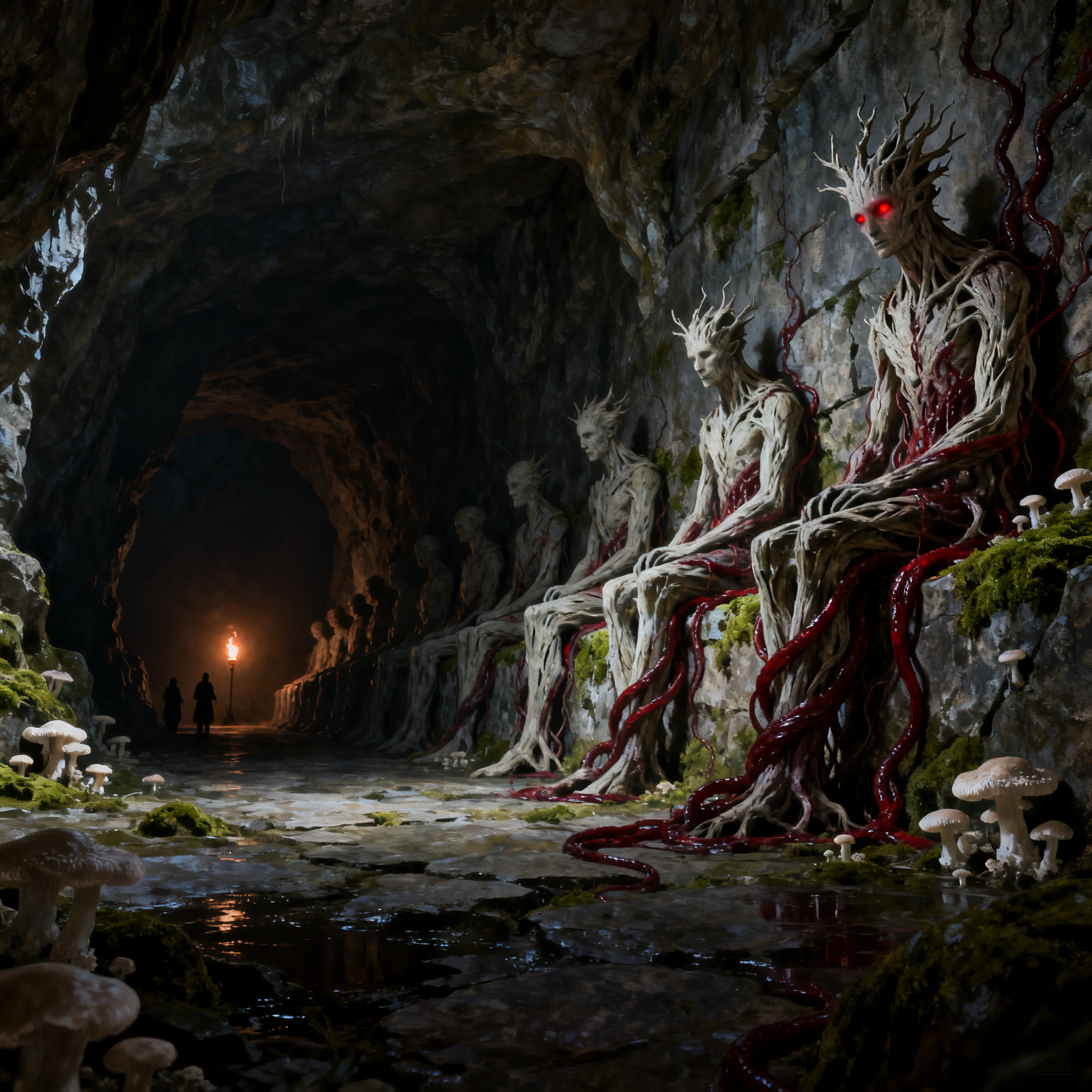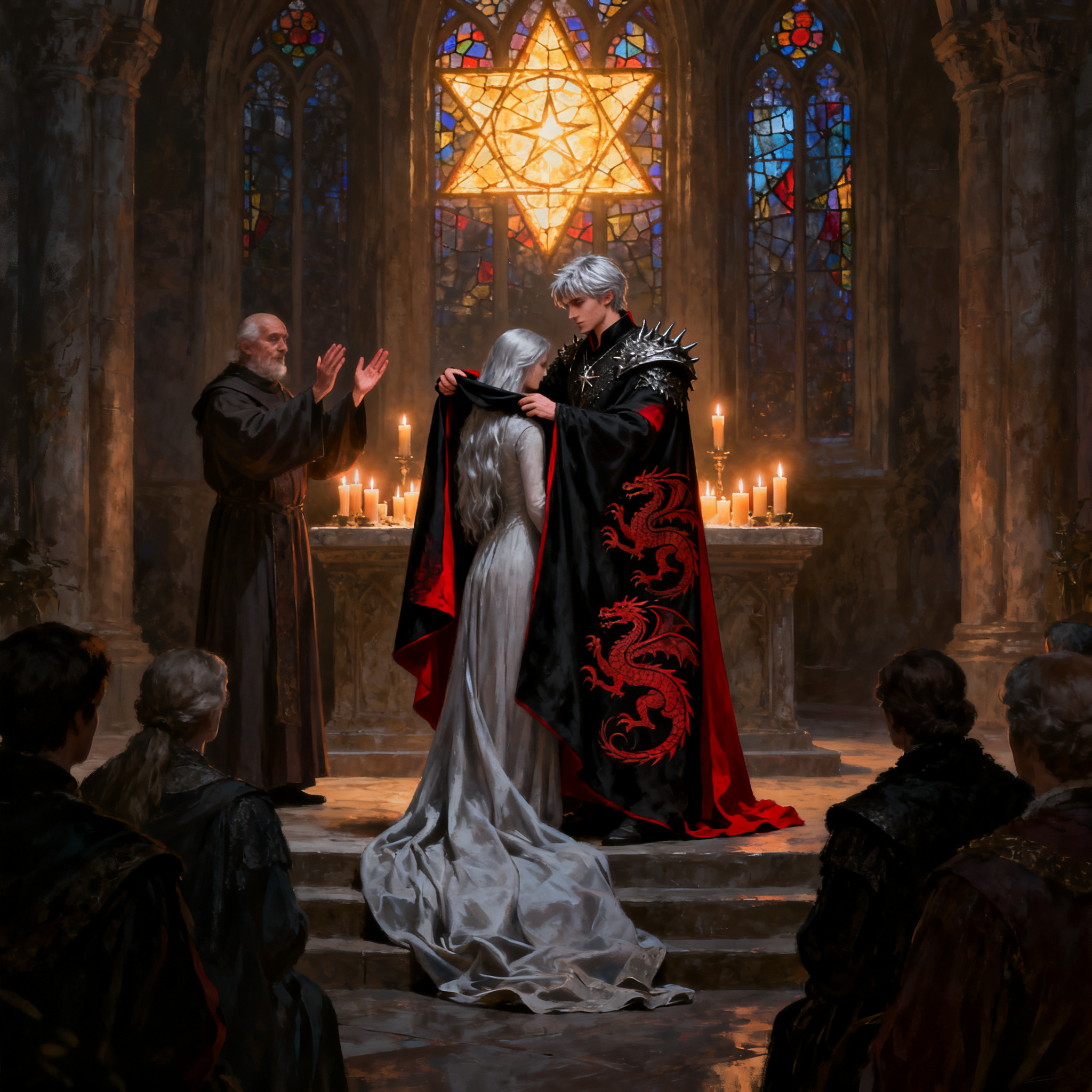
Cold Hands shouldn’t work as a character. He’s not really a person – Bran calls him “some dead thing,” and he agrees. He’s a corpse with black hands, a rattling voice, and no name anyone can confirm. And yet he’s one of the more quietly important figures north of the Wall, because everything strange about him points at a much bigger question: was the Night’s Watch always supposed to be an army of the dead?
A Wight Who Isn’t Quite a Wight
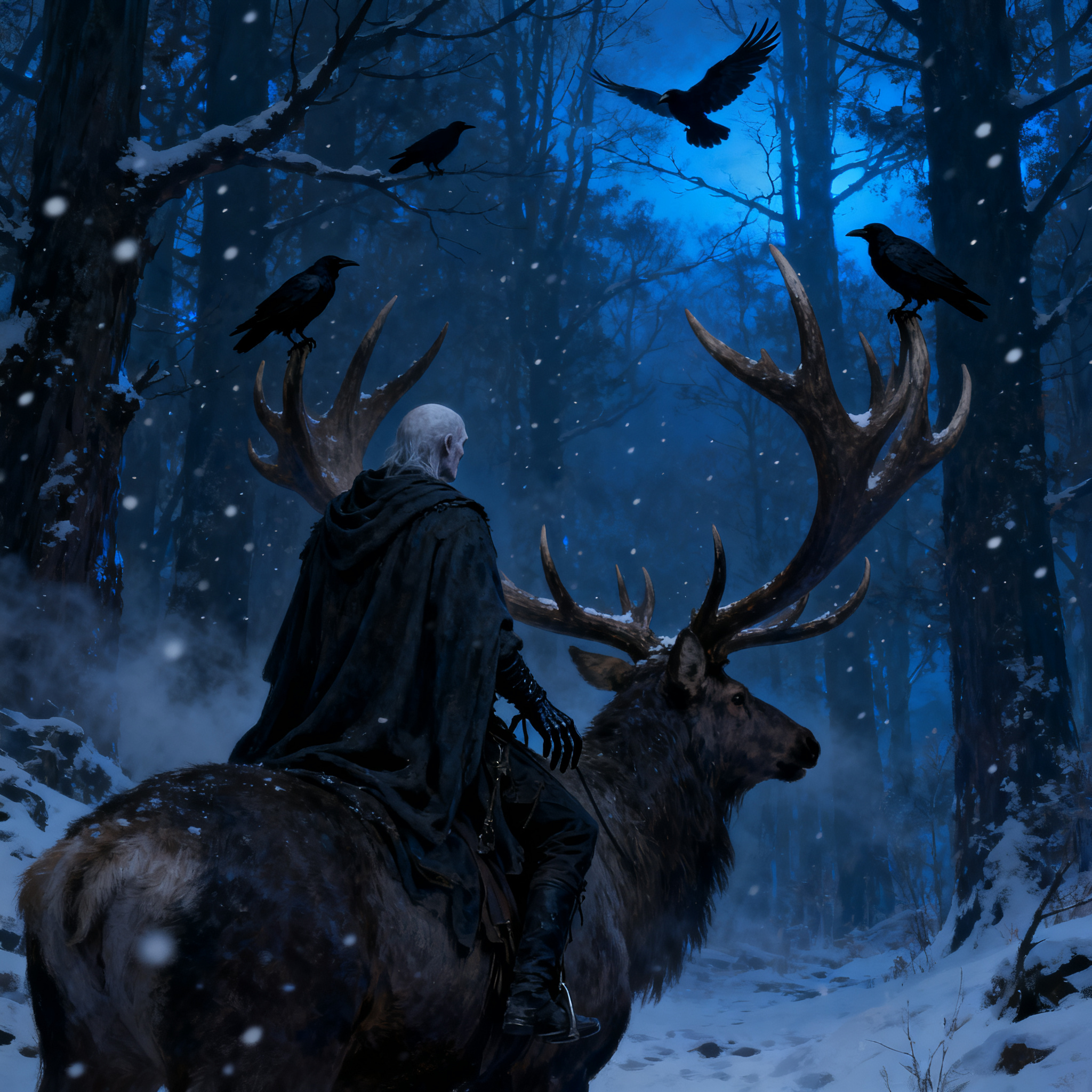
Cold Hands has all the hallmarks of the walking dead beyond the Wall – hard black hands, a body gone cold, a fear of fire. But he’s missing the one thing that defines an Other’s wight: the eyes. His are black, not the burning blue of a reanimated corpse under the Great Other’s control. He’s also agile – quick on his feet, riding an elk with ease – where every other wight in the books moves like a broken puppet.
That combination is the whole mystery in miniature. Either something can reverse a person out of Other-possession after the fact, or something can make a version of the walking dead that was never possessed in the first place. Both possibilities point toward the Children of the Forest, who seem able to work magic on life, death, and the space in between – including, it’s heavily implied, calling the dead back through the weirwoods, which is exactly the kind of magic that makes Jon Snow’s resurrection feel less like a Melisandre-only event and more like something Bran and Bloodraven might have a hand in too.
The Perfect Soldier for the End of the World
There’s a practical case for zombies beyond the symbolism. Ranging deep into the true North – the kind of ranging Jon Snow may eventually have to do – means fighting three enemies before you even reach the Others: hunger, cold, and exhaustion. A corpse doesn’t have any of those problems. Cold Hands has apparently been doing exactly this for centuries, tireless and unbothered by weather that would kill a living man in hours. If Jon ends up as some hybrid of ice and fire – a body gone cold and hard like Cold Hands, but carrying an inner flame like Beric Dondarrion’s burning sword – the North stops being a death sentence and starts being the one place he can actually operate.
A Zombie Who Still Has Magic
The strongest evidence that Cold Hands is more than a reanimated corpse is that he still behaves like a skin changer. Ravens flock to him at dusk, mutter at him, and seem to report back – the same relationship Bloodraven has with his own ravens. More tellingly, the enormous elk he rides should never tolerate him: every other animal in the books recoils from the smell of death and rot, yet the elk carries him, obeys him even after they’ve been separated for days, and lets him perform a quiet death-blessing over it in the Old Tongue when its time comes. Bran’s reaction the moment he hears the details – “was he green? The green men ride elks” – is the text all but confirming it. Whatever Cold Hands is, he didn’t lose his magic when he died.
The Green Zombie Theory: Was the Night’s Watch Always Meant to Die?
This is where the theory gets ambitious. The Night’s Watch is already saturated with death imagery that goes well past metaphor. Recruits give up their house names, hang their shields in the shield hall as though they’ve died, wear only black – the color of mourning – and give up marriage and children, the two things that mark someone as still part of the living world. The vow itself says it outright: men “kneel as green boys and rise as men in black,” which reads less like a career change and more like a resurrection rite performed in front of a heart tree.
The theory holds that this wasn’t always symbolic. If the legendary Last Hero’s companions died fighting the Others in the far North and the Children of the Forest brought them back – as either freed wights or something gentler – the first Night’s Watch may have literally been a company of raised dead, tasked with manning the Wall forever because they no longer had lives to return to. Later details keep echoing that idea: the 79 Sentinels, stakes shaped like men standing eternal watch; the scarecrow sentinels atop the Wall, dressed in dead brothers’ cloaks and given their names; and Dolorous Edd’s running, deadpan fear that Jon Mormont is about to figure out how to make corpses stand a watch shift. Even Bowen Marsh carries the symbolism – the same man who once told Jon to rise as a man of the Watch is the one who later puts a knife in his belly, an unsettling echo of kill-then-resurrect in a single character arc.
Cold Hands Is Wearing a Green Man’s Face
Cold Hands also lines up with English folklore’s Herne the Hunter – a man hanged from an oak who returns as a guardian of the forest, riding a horse, sounding a horn, leading a ghostly procession that gathers up wandering children. Cold Hands does exactly that role twice over: escorting Sam and Gilly’s baby south to the Wall, then leading Bran, Meera, and Jojen north to Bloodraven. It’s not subtle that House Tarly’s own founding ancestors are named Herndon of the Horn and Harlon the Hunter – meaning when Cold Hands shows up to save Sam, he’s arguably being rescued by the ghost of his own bloodline.
What This Means for Jon Snow
The same folklore threads wrap around Jon. “King of Winter” – the old Stark title – doubles as a name for a wicker effigy burned each spring to hasten the season’s turn, which lines up neatly with Jon possibly becoming a fire wight. Mormont’s raven calling him “corn king” points the same direction: a corn king is any mythic figure who dies with the harvest and returns with the spring. Both titles converge on the same idea – Jon dying as winter arrives, and coming back to help end it.
So Who Is Cold Hands, Actually?
The weakest theory is that he’s a mindless puppet being piloted by Bloodraven – the story goes out of its way to show him thinking, hesitating, and speaking for himself. He could be one of Bloodraven’s old personal guard, the Raven’s Teeth, though those men carried weirwood bows and Cold Hands carries nothing. He might simply be an anonymous Night’s Watch brother, his identity erased on purpose to make him a walking symbol rather than a person. But the theory with the most supporting detail is that he’s the Last Hero himself, or one of his companions – an eight-thousand-year-old green zombie who never stopped standing his post, and whose entire existence is a preview of what Jon Snow may become when his own watch, in every sense, ends and begins again.